The Middle East is on fire again. Missiles streak across skies. Cities shake from explosions. And right now, in early March 2026, the US and Israel are locked in a brutal conflict with Iran that's already claimed thousands of lives. This isn't some distant skirmish—it's a full-blown war shaking global markets, stranding travelers, and raising fears of a bigger catastrophe. If you're scrolling through news feeds wondering how we got here and what comes next, you're not alone. Let's break it down step by step, starting with the facts that matter most.

The Trigger That Ignited the Flames
It all kicked off on February 28, 2026. US and Israeli forces launched a massive surprise attack on Iran. They hit key targets like missile sites, nuclear facilities, and leadership compounds. The goal? Cripple Iran's ability to threaten the region. Reports confirm Supreme Leader Ayatollah Ali Khamenei was killed in the initial strikes, sending shockwaves through Tehran. Iranian state media announced his death on March 1, declaring 40 days of mourning amid the chaos.
Why strike now? Tensions had been building for months. Iran's nuclear program kept advancing despite talks in Geneva failing spectacularly. Protests rocked Iran from 2025 into 2026, with massacres of civilians fueling outrage. President Donald Trump, back in office, saw an opening. He sent warships and submarines to the region as early as January, signaling readiness. By late February, diplomacy crumbled, and the bombs fell.
Day-by-Day Breakdown: How the War Unfolded
This conflict moved fast. Here's a quick timeline to make sense of it:
| Date | Key Events |
|---|---|
| February 28, 2026 | US-Israel launches "Operation Epic Fury." Strikes hit over 2,000 targets in Iran, including Tehran. Khamenei reportedly killed. Iran fires back with missiles at US bases in the Gulf and Israel. |
| March 1, 2026 | Iran confirms Khamenei's death. US achieves air superiority over western Iran. Retaliatory drone strikes hit US Consulate in Dubai. Hezbollah joins in, firing rockets from Lebanon. |
| March 2, 2026 | Intense bombardment continues. Iran blocks parts of the Strait of Hormuz, spiking oil prices by 45%. US loses three F-15E jets to friendly fire over Kuwait. |
| March 3, 2026 | Israel launches a "broad wave" of strikes. US submarine sinks Iranian warship IRIS Dena in the Indian Ocean—the first torpedo sinking of an enemy vessel since WWII. Six US troops killed in Kuwait drone attack. |
| March 4, 2026 | Strikes resume, degrading Iran's defenses. Iranian missile hits US base in Qatar. Trump vows to escort tankers through the Gulf. Death toll in Iran nears 1,000. |
You see the pattern. Each day brings more destruction. US Defense Secretary Pete Hegseth called the submarine strike "historic," noting it crippled Iran's navy further. Iran, meanwhile, vows to target Israeli embassies worldwide if attacks continue.

Who's Calling the Shots? The Key Figures Driving the Conflict
President Trump leads the charge from the White House. He predicted the war could last "four weeks," focusing on destroying Iran's missiles and navy without ground troops. "We're ahead of schedule," he said on March 4, denying Israel pulled the US in. Alongside him, Hegseth and Joint Chiefs Chairman General Dan Caine brief daily, emphasizing air dominance.

Israeli Prime Minister Benjamin Netanyahu stands firm, praising the alliance's "incredible foresight." On Iran's side, the Revolutionary Guards claim "complete control" of the Strait of Hormuz, but their missile stocks dwindle. Deputy Foreign Minister Saeed Khatibzadeh accused Trump of crossing a "dangerous red line."
Allies are split. China opposes the strikes, calling for a halt. Europe wavers—France boosts nuclear warheads in response, while Spain refuses base access, prompting Trump to threaten trade cuts. The UK defends its stance but faces criticism.
The Human and Economic Toll: Why This War Hits Home
Lives lost mount quickly. US casualties stand at least six, including four from a drone in Kuwait. In Iran, over 1,000 dead, including civilians from strikes on schools and hospitals. Thousands flee Lebanon as Israel bombs Hezbollah sites. Americans and others scramble to evacuate, with airports like Dubai in panic.
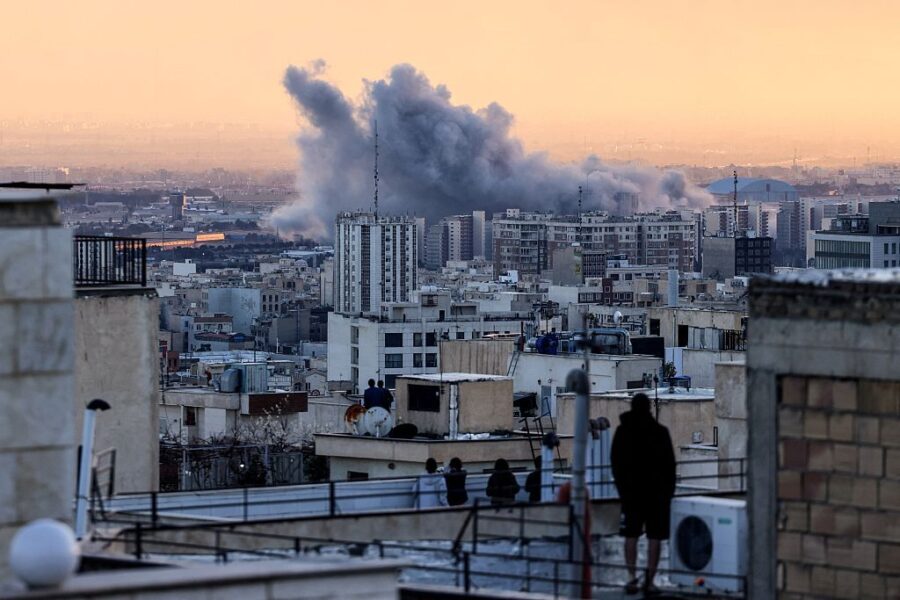
Economically, it's a nightmare. Oil prices jumped 45% after Iran threatened the Strait of Hormuz, a chokepoint for global shipping. Gas in the US could hit $3-4 per gallon soon. Europe faces energy shortages, and markets worldwide tremble. US losses include $2 billion in jets, radars, and equipment.
The wider ripple? Refugees pour out, proxies like Houthis could widen the fight, and nuclear risks loom if Iran reveals hidden capabilities.
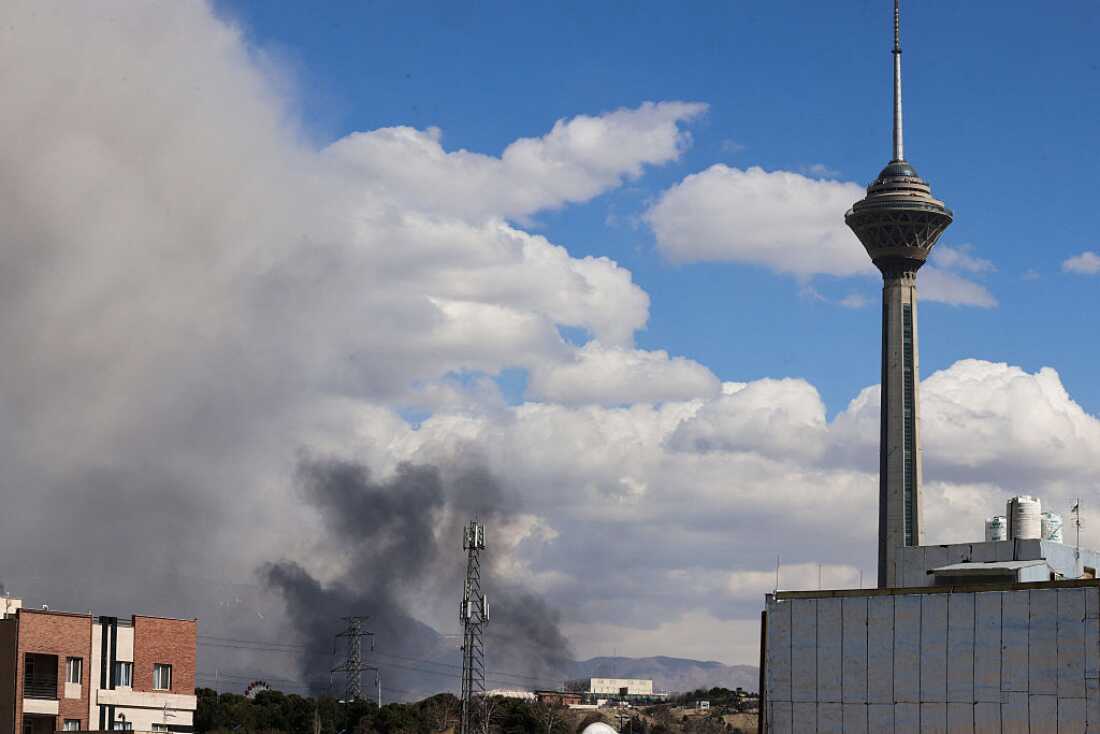
Paths to Resolution: Can This End Without More Bloodshed?
Nobody wants a forever war. Trump insists no ground invasion, aiming to wind down in days if goals are met—like dismantling Iran's nukes and missiles. Analysts see a quick coalition win as likely, with regime change possible through internal unrest.
Solutions exist. Backchannel talks via Oman or Qatar could lead to a ceasefire. The UN pushes for restraint, and even China urges de-escalation to protect oil flows. If Iran conserves missiles and seeks diplomacy, this could wrap in weeks. But if not, stalemate risks dragging on, costing billions and lives.
Congress debates a war powers resolution, potentially forcing Trump's hand. For ordinary folks, pressure your leaders for peace—petitions, protests, and votes matter.
People Also Ask: Quick Answers to Burning Questions
What exactly caused the US-Iran war in 2026?
Failed nuclear talks and Iran's advancing program pushed Trump to act. Strikes aimed to prevent threats, killing Khamenei and sparking retaliation.
How long will the US-Iran conflict last?
Trump says up to four weeks, but experts warn it could stretch if Iran digs in. A quick end depends on degrading their forces fast.
What can the average person do about this war?
Stay informed, support humanitarian aid for refugees, and contact representatives to push for diplomacy. Small actions add up in global pressure.
The US-Iran war of 2026 isn't just another headline—it's reshaping alliances, economies, and lives overnight. As strikes continue and the world holds its breath, one question lingers: Will this force a new peace in the Middle East, or ignite something far worse? Keep watching, because the next move could change it all.